
Diabetes has traditionally been associated with older adults. However, in recent years, doctors have been seeing an increasing number of cases among younger individuals.
Changes in lifestyle, unhealthy dietary habits, reduced physical activity, increasing obesity rates, poor sleep patterns, and rising stress levels have contributed significantly to this trend. As a result, Type 2 diabetes is now being diagnosed more frequently in people in their twenties and thirties.
One of the biggest challenges with diabetes is that the early symptoms are often mild and easy to overlook. Many people continue their routine without realizing that their blood sugar levels may already be elevated.
Recognizing these warning signs early and seeking timely medical evaluation from a general physician in kompally can help prevent complications and support better long-term health outcomes.
Why is Diabetes Increasing Among Young Adults?
Diabetes is no longer considered a condition that affects only older adults. Today's fast-paced lifestyles, increased consumption of processed foods, prolonged sitting hours, lack of exercise, and chronic stress have significantly increased the risk among younger populations.
Additionally, family history, obesity, and underlying metabolic disorders can further increase the likelihood of developing diabetes at a younger age.
Regular screening and preventive healthcare services at a health checkup hospital kompally can help identify blood sugar abnormalities before serious complications arise.
9 Early Symptoms of Diabetes Young Adults Often Miss
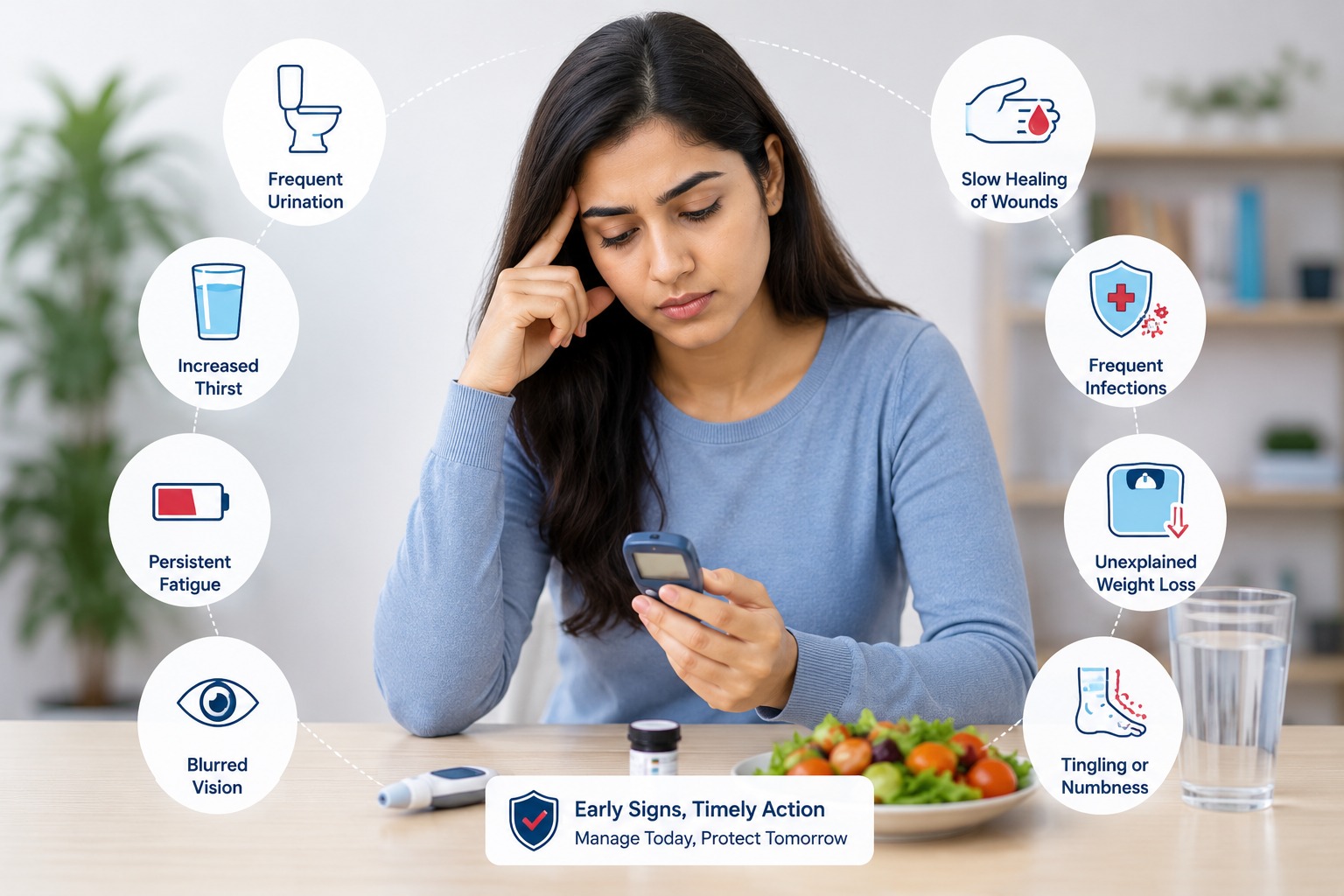
In the early stages, diabetes may not cause very noticeable symptoms. Many signs develop gradually and are often attributed to stress, lack of sleep, work pressure, or a busy routine.
However, when these symptoms appear frequently or persist over time, they may indicate that blood sugar levels are higher than normal.
Frequent Urination
One of the earliest and most common signs of diabetes is needing to urinate more often than usual, especially during the night. When blood sugar levels become high, the kidneys try to remove excess glucose from the bloodstream. To do this, they produce more urine, leading to increased trips to the bathroom throughout the day.
Increased Thirst
Frequent urination often leads to loss of fluids from the body. To compensate for this fluid loss, the body signals thirst more often. People with elevated blood sugar levels may therefore feel unusually thirsty even if they have been drinking water regularly.
Persistent Fatigue
Fatigue is another common symptom of diabetes. When the body cannot effectively use glucose for energy because of insulin-related problems, cells do not receive the fuel they need. As a result, individuals may feel constantly tired, low on energy, and unable to perform daily activities efficiently.
Blurred Vision
High blood sugar levels can affect the tiny blood vessels and fluid balance in the eyes. People may notice blurred vision, difficulty focusing, or temporary changes in eyesight. Persistent vision changes should always be evaluated by a healthcare professional.
Slow Healing of Cuts or Wounds
Another early sign of diabetes is slower healing of cuts, bruises, or skin injuries. Elevated blood sugar can impair circulation and affect the body's natural healing mechanisms.
Frequent Infections
People with uncontrolled blood sugar levels may be more prone to infections. These may include:
Skin infections
Fungal infections
Urinary tract infections
Recurrent bacterial infections
Frequent infections can sometimes be one of the earliest indicators of diabetes.
Unexplained Weight Loss
Some people with diabetes experience weight loss without intentionally changing their diet or exercise routine. This happens because the body cannot effectively use glucose for energy and begins breaking down stored fat and muscle instead.
Increased Hunger
Even after eating regular meals, some individuals may feel unusually hungry. Since glucose is not entering the cells efficiently, the body continues signaling for more energy intake.
Tingling or Numbness in Hands and Feet
Persistently elevated blood sugar can affect nerves. Some people may experience:
Tingling sensations
Numbness
Burning sensations in hands and feet
Although more common in advanced stages, these symptoms can sometimes appear early.
Who is at Higher Risk of Developing Diabetes?
You may have a higher risk of diabetes if you:
Have a family history of diabetes
Are overweight or obese
Have high blood pressure
Have elevated cholesterol levels
Lead a sedentary lifestyle
Have PCOS
Experience chronic stress
Consume excessive sugary or processed foods
Individuals with these risk factors should consider routine diabetes checkup kompally services to detect blood sugar abnormalities early.
How is Diabetes Diagnosed?
If symptoms suggest elevated blood sugar levels, doctors may recommend diagnostic tests such as:
Fasting Blood Sugar Test
Measures blood sugar levels after fasting for several hours.
HbA1c Test
Provides an average of blood sugar levels over the previous two to three months.
Random Blood Sugar Test
Measures glucose levels regardless of meal timing.
Oral Glucose Tolerance Test
Evaluates how the body processes sugar after consuming a glucose solution.
An experienced diabetes doctor in kompally can interpret these results accurately and recommend an appropriate treatment plan.
Why Early Diagnosis Matters
Diabetes is a chronic condition that can affect multiple organs if left unmanaged. Potential complications include:
Heart disease
Stroke
Kidney disease
Eye disorders
Nerve damage
Foot complications
Early diagnosis and treatment significantly reduce the risk of these complications and improve quality of life. Consulting an internal medicine doctor kompally at the earliest signs can help ensure timely intervention.
Can Diabetes Be Prevented?
While not all risk factors can be controlled, many cases of Type 2 diabetes can be prevented or delayed through healthy lifestyle choices. Some preventive measures include:
Maintaining a healthy weight
Exercising regularly
Following a balanced diet
Limiting sugary foods and beverages
Managing stress
Getting adequate sleep
Undergoing regular health screenings
Routine preventive consultations with a general physician in kompally can help identify risk factors early and support long-term health.
When Should You See a Doctor?
You should seek medical attention if you experience:
Frequent urination
Excessive thirst
Persistent fatigue
Blurred vision
Unexplained weight loss
Slow wound healing
Frequent infections
Tingling or numbness
These symptoms may indicate diabetes or another underlying medical condition requiring professional evaluation.
As a leading general medicine hospital in kompally, Surekha Hospital offers comprehensive screening, diagnosis, and management for diabetes and other chronic health conditions.
Why Choose Surekha Hospital for Diabetes Care?
At Surekha Hospital, we provide comprehensive diabetes screening, diagnosis, prevention, and long-term disease management through experienced physicians and specialists.
Our services include:
Diabetes screening and monitoring
Preventive health assessments
Chronic disease management
Blood pressure monitoring
Lifestyle counseling
Comprehensive health evaluations
As a trusted general medicine hospital in kompally, we are committed to helping patients achieve better health through personalized and evidence-based medical care.
Conclusion
Diabetes can develop gradually, and its early symptoms are often mild or easy to overlook. However, recognizing warning signs such as frequent urination, excessive thirst, persistent fatigue, blurred vision, and slow wound healing can make a significant difference.
Early diagnosis and treatment can help prevent complications and improve long-term health outcomes.
If you notice any of these symptoms or have risk factors for diabetes, consider scheduling a diabetes checkup kompally at Surekha Hospital. Our experienced physicians, including general physicians in kompally and internal medicine doctors, provide comprehensive care to help you manage your health and prevent future complications.