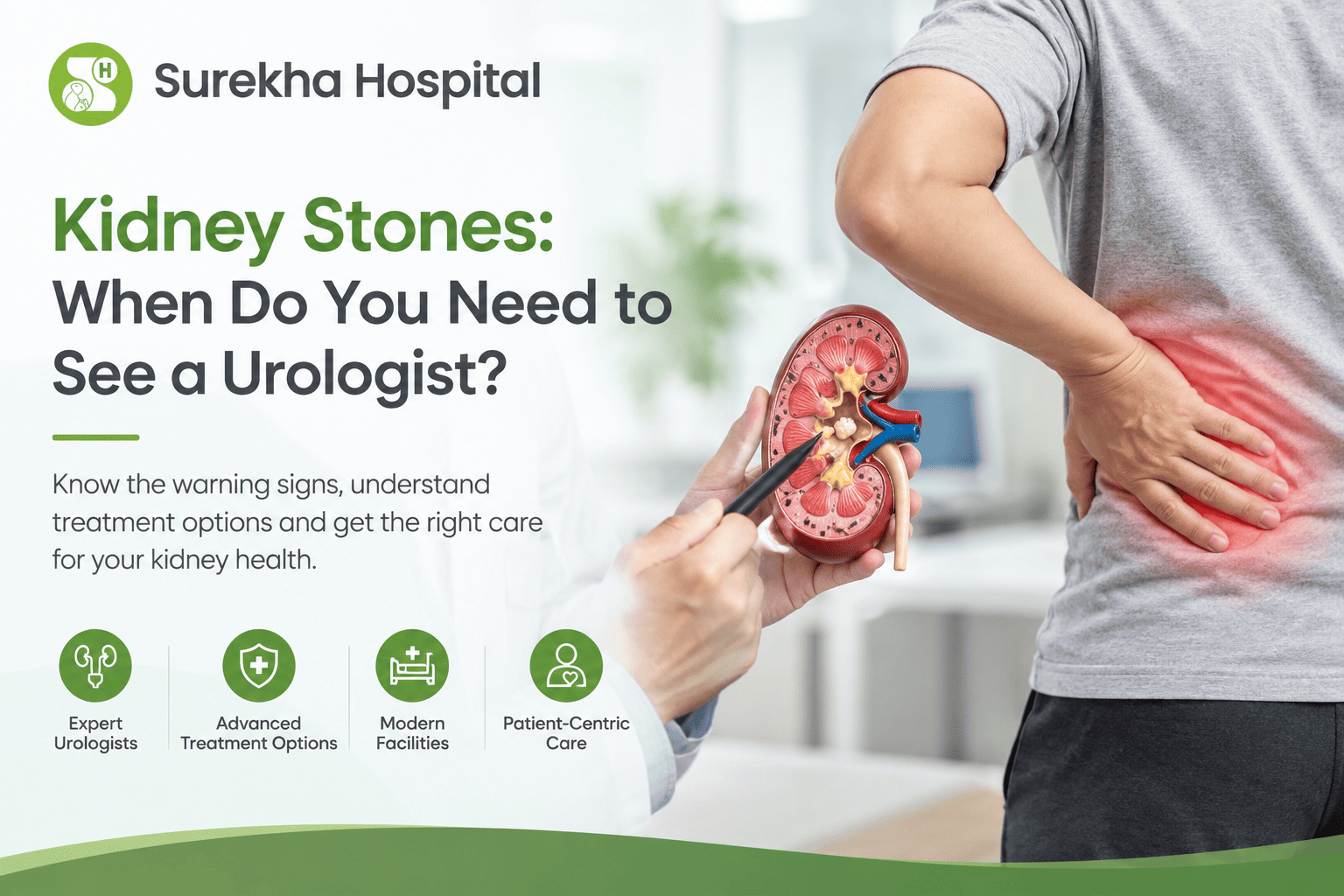
Any person who has had the experience of a kidney stone will agree that it is an extremely painful experience. The pain typically starts as an ache in the side or lower back. This ache eventually transforms into a sharp and excruciating pain. At this point, it is nearly impossible to find a position to sit or stand in that provides relief. While many people decide to tough it out at home, most expect the pain to go away with the help of some pain relief and water.
This approach may sometimes be efficient, and a lot of smaller kidney stones might pass by themselves. However, for some kidney stones, this is not true, and one should be able to distinguish the stone that needs home care from the one that needs professional treatment. Here are some recommendations on how to do that.
What Exactly Is a Kidney Stone?
When the body doesn't make enough urine to flush out all of the minerals and salts, the minerals and salts can harden and form kidney stones. There may be kidney stones that are the size of a grain of sand; on the other hand, there may be kidney stones that have an oval shape and block the entire ureter as they travel from the ureter into the bladder.
There can be various causes of the development of kidney stones, which include lack of sufficient intake of water, excessive consumption of sodium and animal protein, and genetic predisposition.
Symptoms You Shouldn't Brush Off
Often there are no signs or symptoms when kidney stones are located in the kidney. The symptoms appear when the stones start moving. Symptoms may include:
Sharp pain in the back or side that may move to the lower abdomen or groin
Pain that comes in waves or changes in intensity
Blood in the urine that may cause urine to look pink, red, or brown
Urine that is cloudy and foul-smelling
Frequent urge to urinate but only passing small amounts of urine at a time
Pain, discomfort, or burning when urinating
Nausea and vomiting alongside the pain
When Should You See a Urologist?
Although not all stones require intervention, there are certain conditions that can be seen as pointers toward consulting a professional. It is high time you visit the best urologist in Kompally
when:
The pain is severe and doesn't ease with rest or basic pain relief.
You notice blood in your urine, even once
You've had pain for more than a day or two with no sign of the stone passing.
You've had a kidney stone before, and the symptoms are returning.
You're passing very little urine or finding it difficult to urinate.
You have recurring urinary infections along with back or side pain.
The urologist will be able to determine the size and location of the stone via imaging and then suggest the best option for treatment.
Signs That Need Emergency Care
There are some symptoms that should not be postponed until the next appointment is available. An individual who is experiencing kidney stone pain and has to go to a 24-hour emergency hospital in Kompally, also called:
Fever or chills, which can point to an infection behind a blocked stone
Persistent vomiting that stops you from keeping fluids down
Unbearable pain that nothing relieves
Inability to pass urine at all
Visible swelling or severe pain in just one kidney area alongside any of the above
Kidneys that are blocked and infected cause rapid destruction of the organ. It is, therefore, wise to treat such cases as emergencies.
How Stones Are Treated
How a stone is treated will depend on its size, location, and how much of a problem it is. Smaller stones are generally treated by drinking a lot of fluids and taking medication for pain and to help with the passing of the stone. In case of larger stones or stones that refuse to pass, a procedure may be necessary to break them up or remove them. Your urologist will explain the available options to you and make sure you are aware of what to expect. If surgery is necessary, getting access to a reliable general surgery hospital in Kompally will prevent delays due to transferring to a different hospital.
Preventing Kidney Stones From Coming Back
Once you've had a stone, the chance of getting another one is increased, so prevention is key.
Make sure you're getting enough water throughout the day. You should be peeing light colored or clear urine.
Limit excess salt and highly processed foods.
Try to eat less red meat and other animal protein.
Unless advised by your doctor to do so, don't limit your dietary calcium, as too little can increase stone risk.
Follow up with your doctor if you've had more than one stone.
Why Choose Surekha Hospitals
Experienced specialists who spend time clarifying diagnosis and explaining treatment methods.
Round-the-clock emergency care, which means no delays in case of sudden aggravations.
In-house diagnostics allow specialists to identify the reasons for the symptoms as quickly as possible.
20+ specialities under one roof make Surekha a solid multi-speciality hospital near me for Kompally families who want to have their treatment done in the same place.
Surgical support when needed, so procedures can be handled within the same hospital.
25+ years of trusted healthcare experience and a 4.8-star patient rating, built on consistent, patient-first care.
When you are searching for the best multispeciality hospital in Kompally, it is very easy because everything becomes easier for you, and there is no need to look anywhere else because you will get everything from the very beginning of your scan to your treatment and consultations with the same team of doctors.
Conclusion
Sometimes, kidney stones can just be a minor issue, while at times they can be an emergency situation too, but distinguishing which one it is is not that easy. If someone is experiencing continuous pain, traces of blood in the urine, or recurrence of symptoms again and again, it is advised to see a doctor, while some other symptoms like fever or vomiting require immediate medical attention.
In case you feel you have kidney stones, don’t just sit and wait in silence. Seek the assistance of the best urologist in Kompally at Surekha Hospitals, where professional doctors are available round the clock.