Severe Menstrual Pain: Causes, Warning Signs, and When to Consult a Doctor
Period pain is common. In fact, many women experience some degree of cramping during menstruation, especially in the first few days. Because of this, severe discomfort or pain is often dismissed as something that must simply be tolerated.
However, not all menstrual pain is normal.
While mild cramps may be part of a healthy menstrual cycle, recurring or severe pain that interferes with daily life should not be ignored. Understanding the difference between common period discomfort and pain that requires medical evaluation is essential for long-term reproductive health.
In this article, we explain what is considered normal period pain, when it becomes a concern, possible underlying causes, and why early consultation makes a difference.
What is Considered Normal Period Pain?
Mild to moderate cramping during menstruation is medically known as primary dysmenorrhea. It occurs due to uterine contractions triggered by prostaglandins, which are natural chemicals involved in inflammation and pain.
Typically, normal menstrual cramps:
Begin just before or at the start of periods
Last one to three days
Improve with rest, heat application, or mild pain relief
Do not prevent routine activities
In other words, if the discomfort is manageable and does not repeatedly disrupt school, work, or sleep, it is usually considered common.
However, the key factor is impact on daily life. If pain consistently limits normal functioning, further evaluation may be necessary.
When Should Period Pain Not Be Ignored?
Although cramps are common, certain signs suggest that menstrual pain may need medical attention.
Severe Pain That Affects Daily Activities
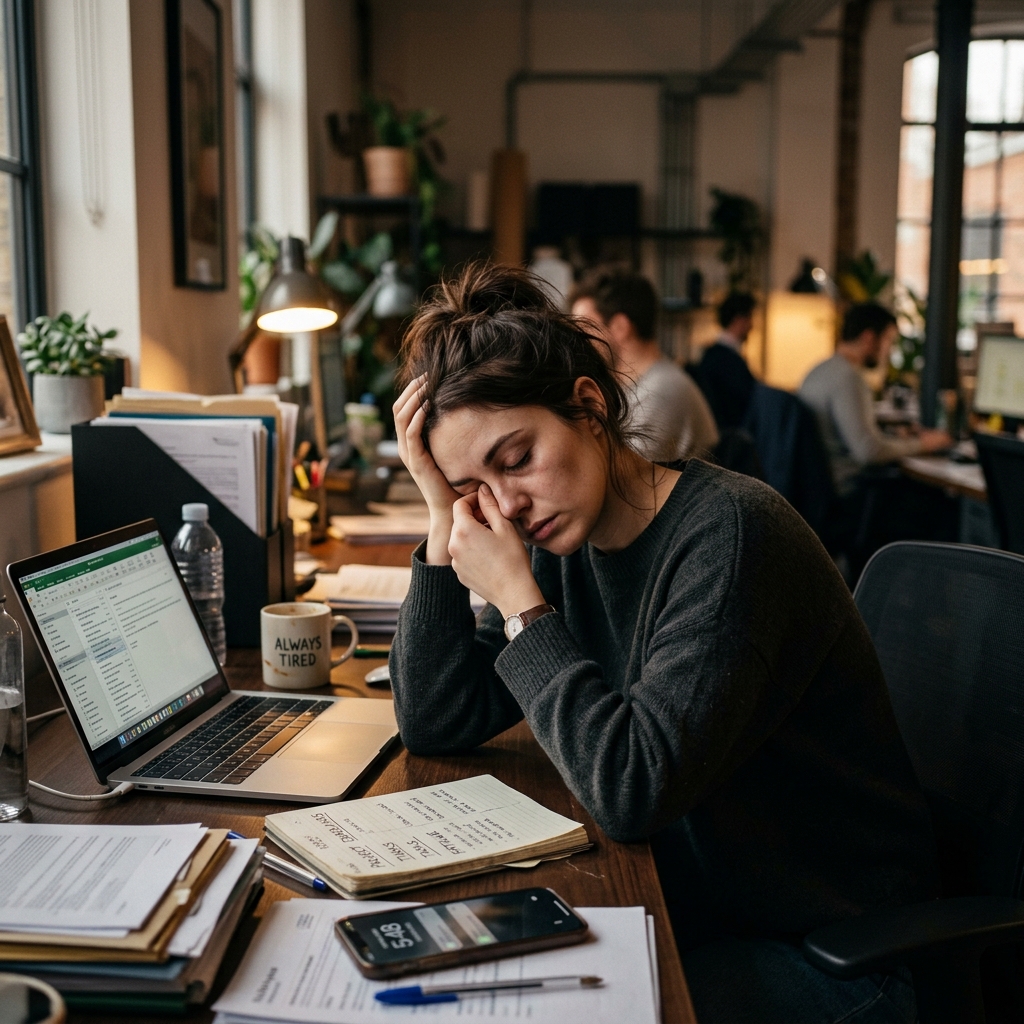
If period pain causes you to miss school or work every month, lie down for long hours, or cancel routine tasks, it is not something to normalise. Pain should not consistently stop your life.
When discomfort begins to control your schedule instead of being a temporary inconvenience, medical checkup is advisable.
Increasing Intensity Over Time
Menstrual cramps that gradually worsen over months or years may indicate an underlying condition rather than routine cycle-related discomfort.
Pain that changes in pattern or becomes more intense should always be assessed to rule out secondary causes.
Dependence on Strong Painkillers Every Cycle
Occasional pain relief is common. However, if you require strong medication during every period to function normally, get yourself checked.
Repeated reliance on medication without evaluation may delay diagnosis of treatable conditions.
Heavy Bleeding with Large Clots
Excessive bleeding, especially when combined with severe pain, may suggest hormonal imbalance or structural concerns within the uterus.
If periods are unusually heavy or prolonged, further investigation helps identify the cause early.
Pelvic Pain Outside the Menstrual Period
Pain that continues even after periods end, or discomfort during intercourse, should not be ignored. Persistent pelvic pain outside menstruation often indicates that the issue may not be limited to normal menstrual cramps.
What Could Severe Period Pain Indicate?
When period pain is intense, persistent, or worsening, doctors may check for secondary dysmenorrhea, which refers to pain caused by an underlying medical condition.
Below are some possible causes.
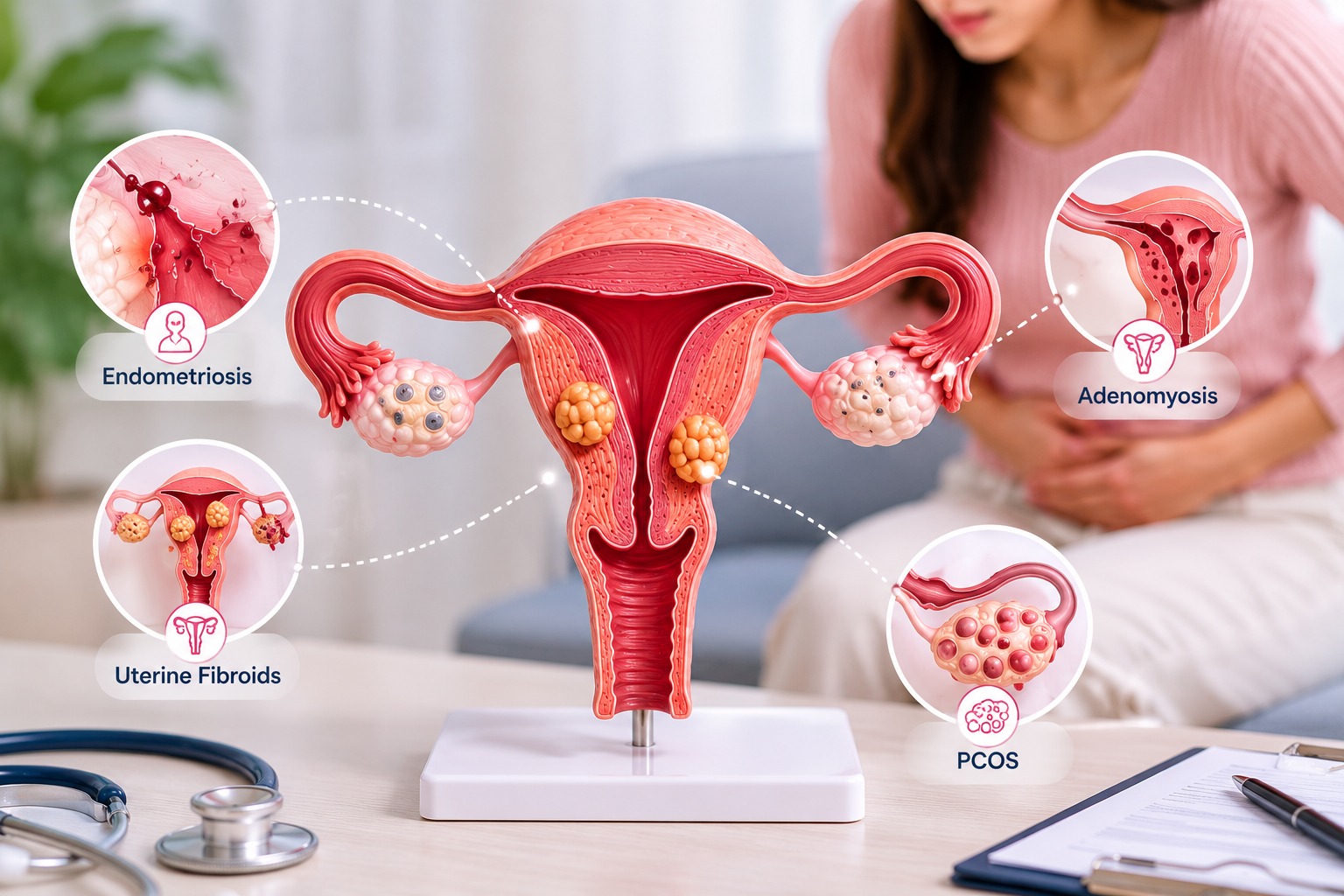
Endometriosis
Endometriosis occurs when tissue similar to the lining of the uterus grows outside the uterus. This misplaced tissue responds to hormonal changes during the cycle, which can cause significant inflammation and pain.
Common features may include:
Severe menstrual cramps
Pain during intercourse
Pelvic pain outside menstruation
Fertility challenges in some cases
Early diagnosis can help manage symptoms more effectively.
Adenomyosis
Adenomyosis happens when the inner lining of the uterus grows into the muscular wall of the uterus. As a result, periods may become heavier and more painful over time.
Women may experience:
Increasing menstrual pain
Heavy bleeding
Prolonged menstrual duration
Evaluation through imaging and clinical examination helps confirm the diagnosis.
Uterine Fibroids
Fibroids are non-cancerous growths within the uterus. While not all fibroids cause symptoms, some may lead to heavy bleeding and pelvic pressure.
Depending on their size and location, fibroids may contribute to:
Severe cramps
Heavy menstrual flow
Pelvic fullness or discomfort
Polycystic Ovary Syndrome (PCOS)
Although PCOS does not always cause severe cramps, hormonal imbalance associated with irregular ovulation can lead to irregular cycles and pelvic discomfort in some women.
Additionally, PCOS may present with:
Irregular or missed periods
Acne
Weight changes
Excess hair growth
When Should You Consult a Gynecologist?
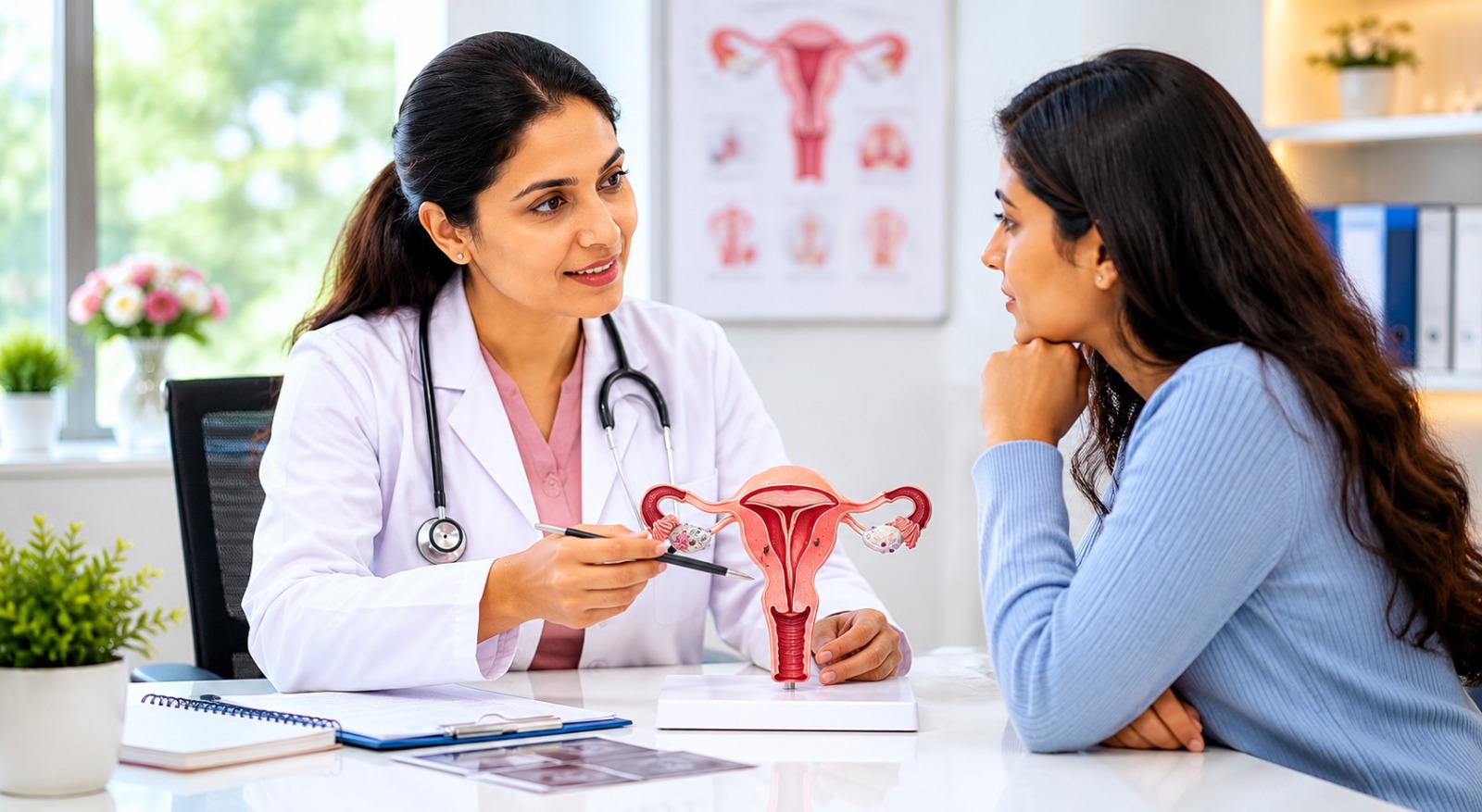
Many women delay seeking medical help because they believe severe menstrual pain is a normal part of life. However, consulting a specialist is recommended if:
Pain interferes with daily activities
Symptoms worsen over time
Heavy bleeding accompanies pain
Over-the-counter medications no longer provide relief
Pelvic pain occurs outside menstrual periods
You are planning pregnancy and have concerns about reproductive health
An experienced gynecologist near kompally, hyderabad can help determine whether the pain is linked to an underlying condition and recommend appropriate treatment.
How is Severe Menstrual Pain Diagnosed?
Diagnosis typically begins with a detailed medical history and physical examination. Depending on symptoms, your doctor may recommend:
Pelvic examination
Ultrasound scans
Hormonal evaluations
Blood tests
Additional imaging studies when required
At a leading gynecology clinic in kompally, hyderabad, these evaluations help identify conditions such as fibroids, endometriosis, adenomyosis, or PCOS at an early stage.
Can Severe Menstrual Pain Affect Fertility?
In some cases, yes.
Conditions such as endometriosis, adenomyosis, and PCOS can affect fertility if left untreated. Early diagnosis and proper management can significantly improve reproductive health outcomes.
Women planning pregnancy should consult an experienced obstetrician in kompally, hyderabad if severe menstrual pain is accompanied by irregular cycles or difficulty conceiving.
Is It Safe to Take Painkillers for Period Pain?
Painkillers such as non-steroidal anti-inflammatory drugs (NSAIDs) are commonly used to manage menstrual cramps. When taken occasionally and under guidance, they are generally safe.
However, relying on strong medication during every cycle without medical evaluation may delay diagnosis of underlying conditions. Moreover, long-term or excessive use of painkillers can cause gastric irritation and, in some cases, affect kidney health.
Therefore, if pain requires repeated medication month after month, it is better to seek medical advice.
Why Choose Surekha Hospital for Women's Health Care?
At Surekha Hospital, our team of experienced gynecologists provides comprehensive diagnosis and treatment for menstrual disorders, hormonal conditions, reproductive health concerns, pregnancy care, and advanced gynecological conditions.
As a trusted women’s hospital in kompally, hyderabad, we are committed to providing personalized care for women at every stage of life. Whether you are seeking menstrual pain management, fertility guidance, pregnancy care, or consultation with a female doctor for pregnancy kompally, hyderabad, our specialists are here to help.
Conclusion
Menstrual cramps are common, but severe or recurring pain that disrupts daily life should not be normalised. Your body often signals when something needs attention. Therefore, if period pain is worsening or affecting your routine, it is important to seek medical attention rather than continue adjusting around it.
Consult our expert gynaecologists at Surekha Hospital for personalised guidance.