Why Am I Feeling Tired All the Time? Common Causes You Should Not Ignore
If you often feel tired even after getting enough rest and sleep, you are not alone. Persistent fatigue is a common concern that affects many people and can interfere with daily activities, concentration, and overall well-being.
While occasional tiredness is expected, fatigue that continues for weeks may indicate issues such as nutritional deficiencies, hormonal imbalance, sleep problems, or other medical conditions.
Understanding the possible causes can help identify when fatigue is simply temporary and when it may require medical checkup.
What is Persistent Fatigue?
Fatigue is more than feeling tired after a busy day. It refers to a constant lack of physical or mental energy that does not improve significantly with rest.
People experiencing persistent fatigue may notice symptoms such as:
Feeling low on energy throughout the day
Difficulty concentrating or mental fog
Lack of motivation for routine tasks
Feeling physically weak or drained
No improvement even after adequate sleep
When these symptoms continue for several weeks, it may be important to identify the underlying cause.
5 Common Causes of Feeling Tired All the Time
Persistent fatigue can occur for several reasons. In many cases, it may be related to lifestyle habits such as sleep and diet. However, certain medical conditions may also affect the body’s energy levels.
Below are some of the common causes.
Iron Deficiency and Anaemia
Iron deficiency is one of the most common medical causes of fatigue. Iron helps the body produce haemoglobin, which carries oxygen to tissues and organs.
When iron levels are low, the body receives less oxygen, which can lead to persistent tiredness and weakness.
Other symptoms of anaemia may include:
Shortness of breath
Pale skin
Headaches
Dizziness
Reduced physical endurance
A simple blood test can help identify iron deficiency and guide appropriate treatment.
Poor Sleep Quality
Sleep plays an important role in restoring energy levels. However, poor sleep quality can still lead to fatigue even if someone spends enough time in bed.
Several factors may affect sleep quality, including:
Irregular sleep schedules
Excessive screen exposure before bedtime
Stress or anxiety
Sleep disorders such as sleep apnea
Over time, disrupted sleep can affect concentration, mood, and physical energy.
Improving sleep habits and maintaining a consistent sleep routine often helps restore normal energy levels.
Thyroid Disorders
The thyroid gland regulates metabolism and energy production in the body. When thyroid hormone levels are low, a condition known as hypothyroidism may occur.
This condition can slow down body processes and cause symptoms such as:
Persistent fatigue
Weight gain
Sensitivity to cold
Dry skin
Slower metabolism
Blood tests can evaluate thyroid function and help determine if treatment is required.
Nutritional Deficiencies
The body requires adequate vitamins and minerals to produce energy efficiently. Deficiencies in certain nutrients can contribute to constant tiredness.
Common deficiencies linked to fatigue include:
Vitamin B12 deficiency
Vitamin D deficiency
Iron deficiency
Folate deficiency
These deficiencies may occur due to poor dietary intake, digestive problems, or certain medical conditions.
Correcting nutritional deficiencies through diet and medical guidance can often improve energy levels.
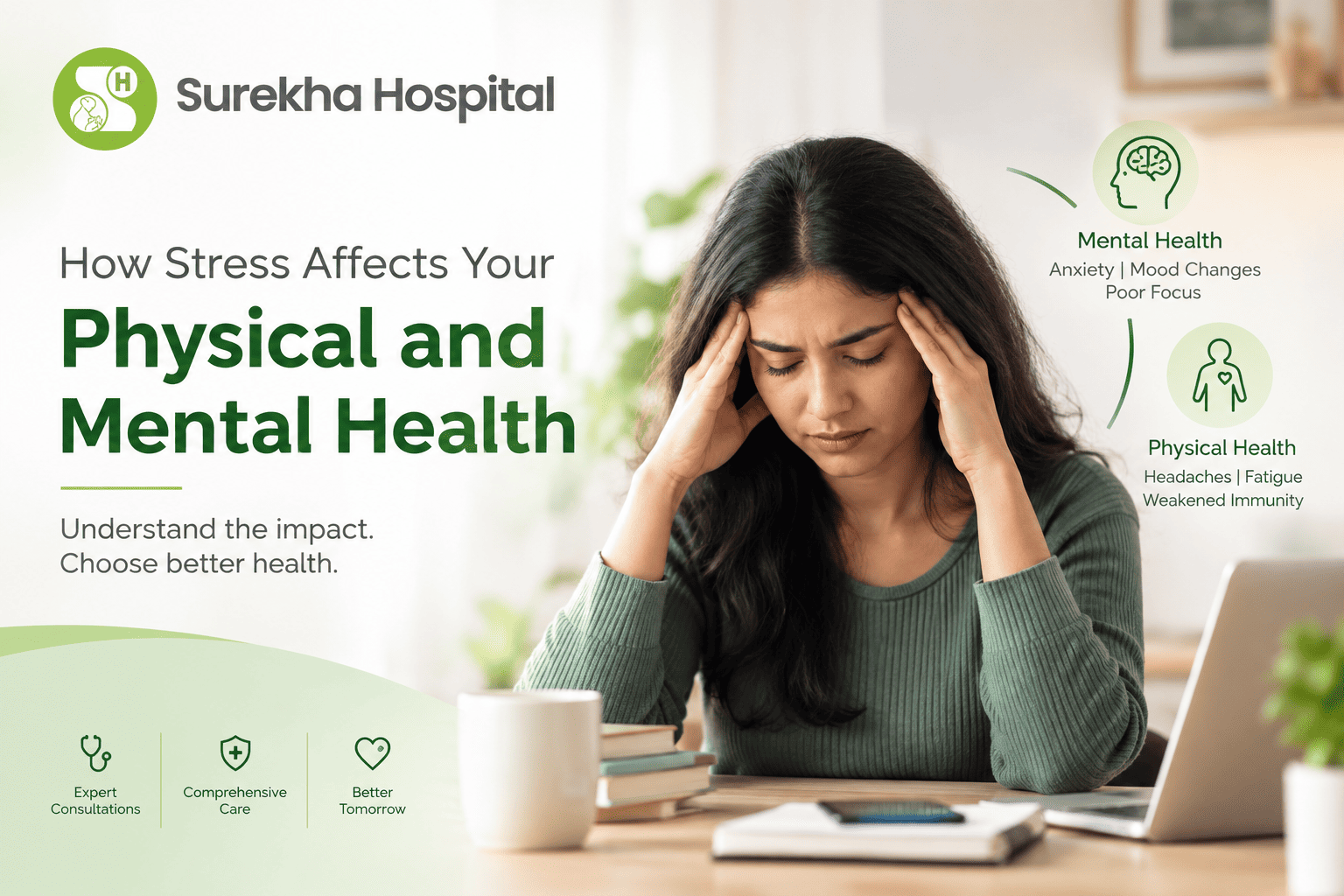
Chronic Stress
Long-term stress can affect both physical and mental energy levels. When the body remains under constant stress, it may disrupt sleep, appetite, and hormone balance.
As a result, people may feel tired even after resting. Stress-related fatigue may also be associated with:
Sleep disturbances
Difficulty concentrating
Irritability
Headaches
Managing stress through lifestyle adjustments and adequate rest can help restore overall well-being.
When Should You See a Doctor?
Persistent tiredness may sometimes be a signal that the body is dealing with an underlying issue such as nutritional deficiency, hormonal imbalance, infection, or another medical condition. When fatigue does not improve with rest, proper medical evaluation can help identify the cause and guide appropriate treatment.
You should consider consulting a doctor if fatigue is accompanied by:
Unexplained weight loss or weight gain: Sudden changes in weight without changes in diet or activity levels may indicate metabolic or hormonal conditions.
Shortness of breath during normal activities: Feeling unusually breathless during routine tasks may sometimes be linked to anaemia, heart conditions, or lung-related concerns.
Frequent dizziness or lightheadedness: Persistent dizziness along with fatigue may indicate issues such as low blood pressure, anaemia, or dehydration.
Persistent headaches or difficulty concentrating: Fatigue combined with headaches or mental fog may sometimes be related to sleep disturbances, stress, or nutritional deficiencies.
Muscle weakness or reduced physical endurance: Feeling physically weak during simple activities may indicate deficiencies, metabolic disorders, or other health concerns.
Consistent fatigue for weeks: If energy levels do not improve even after proper sleep and a balanced routine, medical evaluation may help identify the underlying cause.
Conclusion
Feeling tired from time to time is part of daily life. However, fatigue that continues for long periods or affects routine activities should not be overlooked.
In many cases, the cause may be manageable, such as nutritional deficiencies, sleep problems, or hormonal imbalance. Identifying the reason early allows timely treatment and helps restore energy levels.
If persistent fatigue is affecting your daily life, consult the doctors at Surekha Hospital, Kompally, for proper guidance and treatment.